
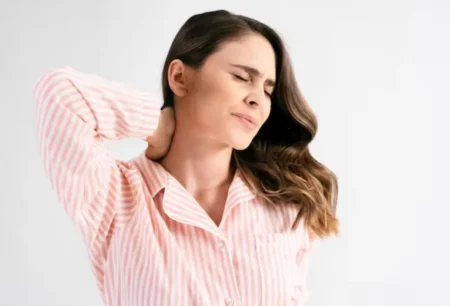
 Many people notice the same pattern. A stressful week at work, difficult conversations, constant thinking, and suddenly the neck feels stiff while the shoulders feel heavy and tight. It may look like a purely physical problem, but the body often reacts to emotional pressure through muscle tension. This connection between the mind and the body is called psychosomatics, which simply means psychological stress creating physical symptoms. Your nervous system responds to stress by preparing the body for action. Muscles tighten, breathing becomes shallow, and posture changes slightly without you noticing it. When that state lasts for hours or days, the neck and shoulders absorb most of the tension.
How The Nervous System Stores Stress In Muscles
The neck and shoulder area contains many muscles responsible for stabilizing the head and upper spine. These muscles react quickly to emotional stress because they are closely connected to the body’s alert system. When your brain senses pressure, even if the threat is just psychological, the nervous system activates a mild defense response. The shoulders rise slightly, the jaw tightens, and the neck muscles contract to support the head. At first this tension is temporary. However when stress repeats daily, the muscles rarely return to a fully relaxed state. Over time they remain partially contracted, which reduces blood flow and creates the aching or burning sensation people often describe as chronic neck pain.
Why Emotional Pressure Often Turns Into Physical Pain
The body does not separate mental stress from physical danger. To your nervous system, a tense meeting or unresolved conflict can trigger reactions similar to a physical threat. Your body prepares to react, but because there is no real movement or release, the tension stays trapped in the muscles. This is why people who spend long hours thinking, worrying, or concentrating sometimes feel pain even without heavy physical activity. The muscles hold small amounts of tension for too long. Eventually that tension creates stiffness, headaches, shoulder tightness, and limited mobility in the neck.
How Massage Helps Release Stored Tension
Massage can be surprisingly effective when stress-related tension causes neck and shoulder pain. The reason is simple. Gentle pressure and movement stimulate circulation in the muscles, which helps deliver oxygen and remove metabolic waste that accumulates in tense tissue. As blood flow improves, the muscles gradually release their contraction. Massage also signals the nervous system to shift from a state of alertness into relaxation. Your breathing slows, heart rate decreases, and the body receives a clear signal that the environment is safe again. This shift is important because many stress-related pain patterns exist primarily due to an overactive nervous system rather than structural damage.
When Professional Support Can Make A Difference
If neck and shoulder pain appears occasionally, small changes like stretching, better posture, regular breaks, and relaxation techniques can help the body recover. However when tension becomes persistent, interferes with sleep, or spreads into headaches and constant discomfort, deeper recovery may be necessary. Some people explore structured wellness programs that combine relaxation methods, stress regulation, and physical therapies to help the nervous system reset. A place many individuals turn to for that kind of support is Bethesda Revive, where recovery programs focus on reducing chronic tension and restoring balance between mental and physical health.
Why The Body And Mind Must Recover Together
Treating neck and shoulder pain only as a muscle problem often brings temporary relief but not a lasting solution. When stress remains constant, the body simply recreates the same tension pattern again. Real improvement happens when both sides of the system receive attention. The muscles need physical release through movement, massage, and relaxation, while the mind needs space to slow down and reduce the internal pressure that started the tension in the first place. When those two processes happen together, the body gradually stops holding stress in the shoulders and neck. The pain fades, posture becomes lighter, and everyday movement starts to feel natural again instead of strained.
Picture Credit: Freepik