
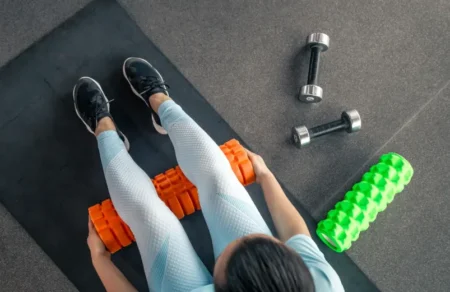
 Foot massage with rollers or small balls looks simple, but when done correctly it can noticeably reduce tension and improve how your whole body feels. Your feet carry weight all day, and the muscles in them become tight without you realizing it. Over time this creates discomfort not only in the feet, but also in the legs and even the lower back. Using a roller or ball helps release that built-up tension in a controlled way.
Why Foot Massage Tools Actually Work
The bottom of your foot contains a network of muscles and connective tissue, especially something called the plantar fascia, which is a thick band that supports the arch. When it becomes tight, you may feel stiffness or even pain. Rolling your foot over a firm object applies pressure to these areas and helps them relax. At the same time, it improves blood flow, which supports recovery and reduces fatigue.
How To Use A Roller Or Ball The Right Way
The basic method is simple. You place the roller or ball under your foot and slowly move your foot back and forth over it. The key is not speed, but control. Move slowly enough to feel the pressure and notice tight spots. When you find a sensitive area, pause slightly and let the pressure work there. You don’t need to press as hard as possible. Moderate, consistent pressure is more effective and safer.
How Long And How Often You Should Do It
A few minutes per foot is usually enough to feel the effect. Around three to five minutes per side works well for most people. You can do it once a day or after long periods of standing or walking. Consistency matters more than intensity. Short, regular sessions help prevent tension from building up again.
When This Method Is Especially Useful
Foot massage with a roller or ball is especially helpful if you spend a lot of time on your feet, wear tight shoes, or feel stiffness in the morning. It is also useful for people with plantar fasciitis, where the bottom of the foot becomes painful and tight. Regular rolling can reduce that tension and improve flexibility over time.
What To Pay Attention To While Doing It
You should feel pressure, but not sharp pain. If an area feels too painful, reduce the pressure or move more slowly. Breathing also matters. When you stay relaxed and breathe normally, muscles release more easily. If you tense up, the effect becomes weaker. The goal is to let the tissue soften, not to force it.
What It Feels Like When It Starts Working
After a proper session, your feet feel lighter and more flexible. Walking becomes easier, and the usual tightness decreases. Over time, you may notice less fatigue in your legs and better overall comfort. It’s a simple practice, but when done regularly, it helps restore how your body moves from the ground up.
Picture Credit: Freepik