
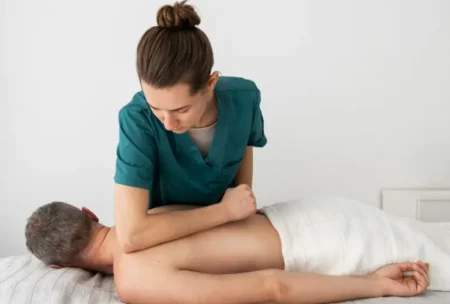
 Back tension has become one of the most common physical problems today. Long hours of sitting, poor posture, stress, and lack of movement all affect the muscles around the spine. At first it feels like simple stiffness, but over time the body adapts to that tension and starts treating it as normal. This is why many people look at massage not just as relaxation, but as a way to improve back health and reduce discomfort.
Why The Back Becomes Tight And Painful
The spine itself is supported by layers of muscles and connective tissue. When these muscles stay tense for long periods, blood flow decreases and movement becomes restricted.
Stress also plays a major role. The body reacts to mental tension physically, especially in the neck, shoulders, and lower back. Over time this creates chronic tightness that affects posture and movement quality.
How Massage Affects Muscles And Circulation
Massage works by applying controlled pressure to soft tissue. This helps increase circulation, which delivers oxygen and nutrients to muscles while removing metabolic waste products.
As muscles relax, movement becomes easier and pressure around joints decreases. The nervous system also responds. Massage activates relaxation responses in the body, which helps reduce overall tension levels.
Why Massage Helps Some Types Of Back Pain More Than Others
Massage is especially effective for muscular tension and stress-related discomfort. If pain comes from tight muscles, poor posture, or physical fatigue, massage can significantly improve symptoms.
However, structural issues like severe spinal conditions or nerve compression may require additional treatment. In these cases, massage may reduce surrounding tension but not fully solve the root cause. Understanding the source of pain is important.
How Regular Massage Changes The Body Over Time
One session can create temporary relief, but consistent massage has a cumulative effect. Muscles stay more flexible, circulation improves, and the body becomes less reactive to stress.
People often notice better posture and easier movement after regular sessions because the body stops compensating for constant tension. The back begins to move more naturally instead of staying rigid.
Why Movement Still Matters Alongside Massage
Massage alone is not enough if the body stays inactive. Muscles need movement to remain healthy. Stretching, walking, and strength exercises help maintain the benefits of massage by improving stability and flexibility.
The most effective approach combines both. Massage reduces tension, while movement prevents it from returning quickly.
What A Healthy Back Actually Feels Like
A healthy back does not constantly demand attention. Movement feels natural, posture requires less effort, and tension does not build up as quickly.
Massage can support this by helping the body reset from stress and physical overload. It is not magic, but when combined with proper movement and daily habits, it becomes a powerful tool for maintaining long-term back health.
Picture Credit: Magnific