
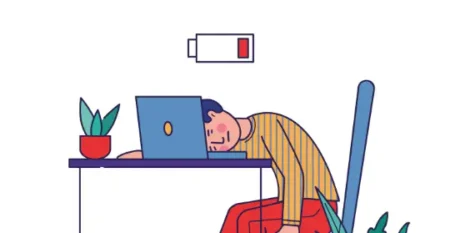
 Many people think burnout looks dramatic. Complete exhaustion, emotional collapse, inability to function. But real burnout often begins much quieter. You stop feeling motivated, daily tasks feel heavier, and even simple responsibilities require effort. From the outside it can look like laziness or lack of discipline. Internally, however, the nervous system is often operating far beyond its limit.
Why Emotional Burnout Is Different From Regular Tiredness
Normal fatigue improves after rest. Emotional burnout usually does not. People sleep, take days off, or try to relax, yet still feel mentally drained.
This happens because burnout is not only physical exhaustion. It is a prolonged state of nervous system overload where the brain no longer recovers properly between periods of stress.
How Chronic Stress Slowly Changes Motivation
The brain is not designed to remain under constant pressure for months or years without recovery. Eventually it starts conserving energy. Motivation decreases, concentration weakens, and emotional reactions become flatter.
This is often misunderstood as laziness because the person still wants to function normally but no longer has the same internal capacity to maintain that level consistently.
Common Signs People Ignore For Too Long
Burnout rarely starts with complete collapse. It usually appears through smaller changes first. Constant mental fatigue, irritability, emotional numbness, difficulty concentrating, and loss of interest in things that once felt enjoyable are extremely common.
People also begin avoiding tasks they previously handled easily. The brain starts associating even normal responsibilities with stress and overload.
Why High Functioning People Are Especially Vulnerable
People who are highly responsible often ignore burnout the longest. They continue performing, solving problems, and meeting expectations while their internal stress keeps growing.
Because they still appear productive, others rarely notice what is happening. But internally the nervous system remains under pressure continuously, which eventually affects emotional stability and physical health.
How Burnout Starts Affecting The Body
Burnout is deeply physical, not just emotional. Sleep becomes less restorative, muscles stay tense, headaches become more frequent, and energy feels unstable throughout the day.
The body essentially remains stuck in survival mode. Over time this affects hormone regulation, immune function, and the ability to recover from even minor stress.
Why Burnout Usually Requires More Than “Taking A Break”
A short vacation rarely solves chronic emotional burnout if the underlying patterns remain unchanged. The nervous system often needs deeper recovery and restructuring of how stress is processed daily.
For some people, structured support becomes necessary to fully reset emotional and physical overload. Bethesda Revive is one of the places where individuals work through chronic stress, anxiety, and emotional exhaustion in a more focused therapeutic environment.
What Recovery From Burnout Actually Feels Like
As burnout improves, the first thing many people notice is mental clarity returning. Small tasks stop feeling overwhelming, emotional reactions stabilize, and energy becomes more consistent instead of unpredictable.
The goal is not endless productivity. It is restoring a state where the mind and body can function without constantly operating under hidden pressure and exhaustion.
Picture Credit: Magnific